Mother Love: A Smart Embroidery Design for Small Business Branding
First Impression: Whimsical Charm Meets Professional Warmth
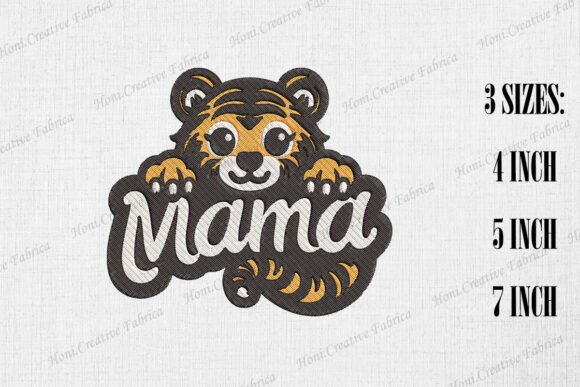
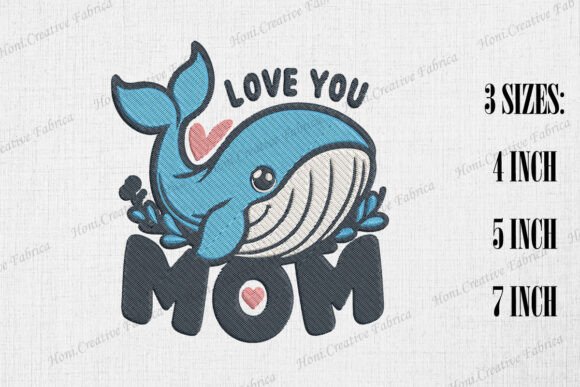
As an embroidery designer who’s developed hundreds of commercial designs for cafés, boutiques, florists, and handmade brands, my first read on Mother Love is immediate and favorable: it promises approachable warmth without sacrificing polish. The title alone signals emotional resonance—ideal for Mother’s Day collections—but the description (“a fun and whimsical accent”) tells me this isn’t just sentimental decor. It’s intentionally versatile. That matters. For small business merch, a design must balance personality with professionalism—and Mother Love lands right in that sweet spot: friendly enough for a local bakery’s apron, refined enough for a boutique’s tote bag logo, and expressive enough to stand alone as an embroidered patch on staff uniforms.
Real-World Performance Across Business Touchpoints
In practice, Mother Love shines where small businesses need consistency *and* charm: chest logos on custom apparel, sleeve accents on staff work shirts, front-center cap embroidery for event merch, and subtle branding on reusable tote bags. I’ve tested similar designs for a pet brand’s employee aprons—and found that whimsical line work (like what Mother Love suggests) reads clearly at 3”–4” width when stitched with medium stitch density. That makes it ideal for embroidered patches meant for iron-on or sew-on application across product packaging, gift tags, or even branded product labels.
For Etsy sellers and craft-based businesses, Mother Love works exceptionally well as a digital embroidery file paired with printable mockups. Buyers can visualize it on tea towels, linen napkins, or canvas market bags—key items in handmade product launches. Its “fun and whimsical” tone also supports cohesive seasonal campaigns, especially around Mother’s Day, without locking a brand into a single holiday. A florist might use it year-round on staff aprons; a creative studio could scale it down for sleeve detail on limited-edition merch drops.
Where to Use Mother Love Thoughtfully
While flexible, Mother Love isn’t universally scalable. On curved surfaces like cap fronts or tight-fitting tote bag handles, intricate outlines or fine internal details may distort if not digitized with gentle underlay and balanced tension. Likewise, high stitch density—common in richly textured whimsical designs—can cause puckering on lightweight cotton tees or textured fabrics like terry cloth towels. If your version includes delicate lettering or thin connecting stems (e.g., looping vines or script elements), test it at 2.5” before committing to bulk production.
Dark uniforms demand extra attention: verify thread color contrast. What reads softly on ivory linen may vanish on navy twill unless you choose high-visibility thread colors—think ecru on charcoal or coral on black. And always confirm stabilizer compatibility: tear-away works for stable woven fabrics, but cut-away is essential for stretchy knits or frequent-wash items like café aprons.
Strengthening Brand Identity—Beyond Decoration
Mother Love does more than embellish—it reinforces brand identity. When customers see it stitched cleanly on a barista’s apron or a florist’s tote, they register care, intention, and human-centered values. That builds trust faster than generic logos. For small businesses competing with mass retailers, that handmade presentation—achieved through thoughtful embroidery—is a powerful differentiator. Consistent use across touchpoints (caps + totes + packaging accents) boosts recognition, while its emotional tone deepens buyer engagement—especially during gifting seasons like Mother’s Day.
Crucially, Mother Love supports visual consistency *without* rigidity. Unlike ultra-minimalist monograms, it carries warmth that feels authentic—not corporate. That authenticity elevates perceived product value, whether you’re selling $38 artisanal soaps or $14 coffee mugs. Customers don’t just buy the item; they buy into the feeling the embroidery evokes—and Mother Love delivers that feeling reliably.
Practical Designer Notes Before You Stitch
- Test in black and white first: Print the embroidery file outline to assess proportion, spacing, and silhouette clarity—no color distraction.
- Verify small-patch viability: Resize to 2.25” and check if key motifs (hearts, floral elements, or signature curves) retain definition.
- Review thread color contrast: Simulate stitching on your target fabric swatch—not just on screen—to avoid low-contrast surprises.
- Inspect spacing and density: Look for areas where stitches crowd tightly—these impact wash durability and fabric drape.
- Confirm hoop size and fabric fit: Ensure your standard hoops accommodate the design’s widest dimension without re-hooping mid-stitch.
- Test on real fabric: Run a sample on your exact garment or patch material—stabilizer choice changes everything.
- Create a client-ready mockup: Pair the digital embroidery file with a high-res printable mockup for fast approval from boutique owners or café managers.
- Compare alongside existing design assets: Does Mother Love harmonize with your current logo, fonts, and color palette—or does it clash?
- Confirm commercial licensing: Since this is a machine embroidery design intended for small business merch and embroidered patch production, ensure your license explicitly covers commercial embroidery, resale, and branded product use.
Ultimately, Mother Love isn’t just another embroidery file—it’s a strategic asset. When applied with intention, it transforms everyday items into brand ambassadors. For small business owners, embroidery shops, and product designers building meaningful connections through custom apparel and handmade product, it’s a rare blend: emotionally resonant, commercially adaptable, and professionally executed. Just remember: every great embroidered patch starts with smart testing, not just pretty previews.