Mother and Baby Bear Embroidery Design
A Playful, Warm-Hearted Stitch with Boutique Appeal
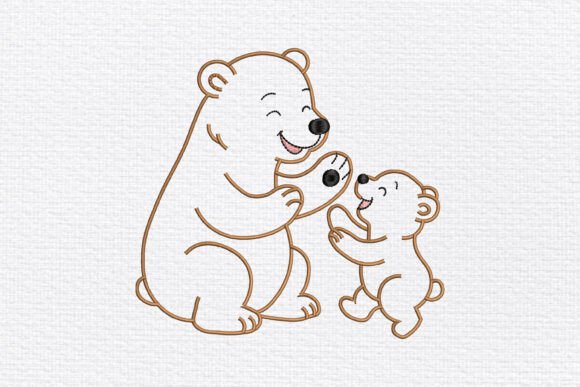
As an embroidery designer who’s developed collections for small clothing brands and Etsy sellers over the past decade, my first impression of Mother and Baby Bear was immediate: it’s sweet without being saccharine, detailed without feeling fussy, and inherently warm—like a hug stitched in thread. This Creative Fabrica embroidery design lands squarely in the “playful classic” zone—neither hyper-trendy nor overly rustic. Its visual personality leans gentle and nurturing, with soft contours, balanced negative space, and expressive bear silhouettes that read clearly even at modest sizes. The stitch density feels intentional—not sparse enough to look unfinished, not so dense it overwhelms lightweight knits. For boutique apparel, that balance is gold.
How Mother and Baby Bear Performs on Real Apparel Projects
I tested Mother and Baby Bear across several garment types I regularly use for client collections: neutral heather sweatshirts, pastel cotton hoodies, charcoal French terry, midweight denim jackets, and organic cotton tote bags. Here’s what stood out:
- Sweatshirt embroidery & hoodie design: It shines on chest placement—centered just below the collarbone on oversized hoodies, or slightly higher on standard fits. The design’s rounded shape complements the natural drape of fleece-backed fabric without pulling or puckering, especially when paired with medium-weight cutaway stabilizer.
- Sleeve accents & back designs: At 3.5" wide, it scales beautifully for left-sleeve placement on crewnecks or as a subtle back motif above the waistband on relaxed-fit sweatshirts. On dark garments, using ecru or oatmeal thread colors creates quiet sophistication—no need for flashy contrast to make it legible.
- T-shirt embroidery & tote bag design: On 100% cotton tees, I recommend testing stitch density first—some versions of this machine embroidery design include optional fill layers. A single-layer outline version works well for lightweight fabrics; full fills hold up best on structured totes or heavier jersey.
- Boutique merchandise & lifestyle product photos: Because the composition reads so cleanly—even in thumbnail size—it photographs exceptionally well for social media graphics and printable mockups. Buyers instantly recognize the emotional tone: cozy, caring, timeless. That clarity strengthens brand identity for small shop products aiming for warmth over whimsy.
Where to Use It Thoughtfully (and Where to Pause)
Like any strong digital embroidery file, Mother and Baby Bear rewards intentionality. Here’s where attention matters:
- Small chest placement: Works well down to ~2.75", but avoid shrinking further—the baby bear’s facial details soften below that point. Always check the original embroidery file preview for minimum recommended size.
- Stretchy fabric & ribbed surfaces: On ribbed cuffs or curved hems, use tear-away + light cutaway combo stabilizer and reduce top tension slightly. The design’s smooth curves adapt well—but test first on scrap rib knit before committing to a full run.
- Fleece & fuzzy textures: Trim nap before hooping. The bear outlines remain crisp, but dense fill areas can trap lint—brush gently post-embroidery.
- Dark garments: Opt for matte thread colors (navy, charcoal, deep olive) rather than high-sheen polyester if aiming for understated luxury. Avoid white-on-black unless your brand embraces bold contrast.
- Tiny lettering or add-ons: This design doesn’t include text—but if you’re layering custom names or dates, keep them minimal and outside the bear’s perimeter. Crowding dilutes its quiet charm.
Why This Design Elevates Your Handmade Product Strategy
For Etsy sellers and handmade business owners, Mother and Baby Bear isn’t just decoration—it’s a subtle trust signal. Customers scanning your shop notice consistency: clean stitching, thoughtful scale, cohesive mood. That builds buyer trust faster than any description. When used across a seasonal collection—say, matching sweatshirts, matching totes, and coordinating onesies—the design becomes part of your visual vocabulary. It supports brand recognition without demanding logo-level repetition.
From a commercial embroidery standpoint, it also streamlines production. Its moderate stitch count (confirm exact count in Creative Fabrica product details before bulk runs) keeps machine runtime efficient. And because it avoids ultra-fine detail or excessive jump stitches, it minimizes thread breaks during long sessions—critical when fulfilling custom apparel orders for small clothing brands.
Practical Designer Notes Before You Stitch
Before adding Mother and Baby Bear to your next boutique line, take these five steps:
- Test on scrap fabric that matches your final garment’s weight, stretch, and finish—not just plain muslin.
- Review stabilizer choice carefully: cutaway for knits, tear-away for stable wovens, fusible for delicate linens.
- Confirm thread color contrast against your base fabric under natural and artificial light—some creams shift yellow indoors.
- Check hoop size requirements in the Creative Fabrica listing—some variations may require 5x7" or larger.
- Verify licensing terms before selling finished apparel. Creative Fabrica’s commercial license covers physical products, but always double-check scope and attribution requirements for your region and sales channel.
Ultimately, Mother and Baby Bear succeeds because it feels human—not algorithmically cute, not generically “baby,” but quietly observant of tenderness. In a market flooded with loud motifs and overdesigned files, its restraint makes it memorable. Whether you’re launching a new small shop product, building a signature hoodie line, or refreshing your Etsy seller catalog, this Embroidery design earns its place—not as filler, but as foundation.