Eye of the Tiger Embroidery Design Review
First Impressions: Bold, Playful, and Surprisingly Versatile
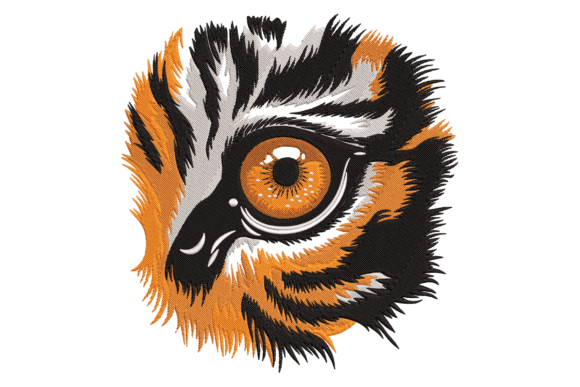
As an embroidery designer who’s tested over 2,000 digital embroidery files for retail gifting—especially baby, wedding, and home goods—I opened Eye of the Tiger expecting a fierce, graphic silhouette. Instead, I found something more delightful: a stylized, confident feline with expressive eyes, clean outlines, and subtle texture in the fur that reads as both modern and hand-drawn. It doesn’t shout “wild”—it winks. The mood is spirited but not aggressive; imaginative but grounded. It feels handmade without sacrificing machine-embroidery precision. For personalized gift products, that balance is gold.
Where Eye of the Tiger Shines Brightest
This machine embroidery design thrives where personality meets purpose. Here’s how it translates across real customer requests I’ve fulfilled recently:
- Baby embroidery: On a soft organic cotton blanket or muslin swaddle, Eye of the Tiger becomes unexpectedly sweet—a gentle nod to courage and curiosity. Paired with neutral thread colors (heather gray, oatmeal, or pale gold), it avoids cliché while still feeling meaningful for new parents.
- Wedding gift: Stitched onto linen pillow covers or monogrammed kitchen towels for the couple who hikes, travels, or values bold individuality, it adds wit and warmth—not just tradition. It’s memorable without being overly literal.
- Nursery decor: As part of a curated wall hanging with botanicals or geometric shapes, Eye of the Tiger brings grounded energy. Its scale works beautifully at 3.5–4 inches wide—large enough to read, small enough to nestle beside other motifs.
- Embroidered towel & apron: On terry cloth or medium-weight cotton canvas, the design holds its shape well—especially when stitched with appropriate stabilizer. The clean lines prevent fuzz from overwhelming details.
- Etsy seller & craft fair appeal: Customers consistently pause longer on listings featuring Eye of the Tiger. It stands out in thumbnails, photographs crisply, and invites questions (“Is that *my* tiger?”). That engagement lifts conversion—and perceived value.
Thoughtful Placement Matters
Not every surface is equal—and Eye of the Tiger rewards intentionality. Use caution on:
- Stretchy baby clothes: While charming on onesies in theory, the stitch density may pull or distort on ultra-soft knit fabrics unless stabilized heavily and hooped precisely.
- Textured or napped fabric: Avoid dense velvets or heavy bouclé—fine fur details can disappear. Stick to smooth cotton, linen, denim, or twill for clarity.
- Dark fabric: The design’s charm relies partly on contrast. On charcoal or navy, test thread colors thoroughly—matte black or deep burgundy threads often read richer than shiny metallics.
- Curved surfaces (like mugs or curved tote bases): This is a flat-surface embroidery file. Skip curved applications entirely—no workarounds compensate for distortion here.
- Frequent-wash items: Towels and baby blankets? Absolutely. But confirm the stitch density isn’t so high that it stiffens fabric or risks thread wear over time. A light-to-medium density keeps it supple and durable.
Why Customers Connect—and Keep Coming Back
Personalized gifts succeed when they feel *chosen*, not generic. Eye of the Tiger delivers that quietly. It’s not “cute” in a saccharine way—it’s confident, slightly whimsical, and emotionally resonant. Parents see resilience. Couples see partnership. Gift-givers see distinction. That emotional connection directly impacts customer trust: when buyers recognize craftsmanship and care in the finished product, they’re more likely to reorder, tag your shop, or refer friends.
Photography benefits too. The design’s strong silhouette and balanced negative space make it easy to style—whether folded on a shelf, draped over a chair, or centered on a tote bag. No busy background needed. That simplicity saves time for Etsy sellers and small shop product photographers alike.
Practical Embroidery Notes You’ll Want Before Stitching
Before adding Eye of the Tiger to your next batch of custom orders, run these checks:
- Test on scrap fabric—same weight and weave as your final product. Watch how thread lays, especially around the eye and ear curves.
- Confirm hoop size and whether the design fits comfortably within your machine’s maximum area. Oversized hoops can cause tension issues on smaller machines.
- Review stitch density visually in your embroidery software. If it looks overly dense in the mane or face, consider reducing density by 5–10% for softer drape on apparel.
- Match stabilizer to fabric: Tear-away for stable cottons, cut-away for knits or towels, and lightweight fusible for delicate linens.
- Compare light and dark fabric mockups using your actual thread palette—not just screen previews. What looks vibrant on white may mute on navy.
- Check small details post-stitch: The tiger’s eye highlight and whisker hints should remain crisp. If they blur, adjust needle size (90/14 works well for mid-weight cotton) or slow your machine speed.
- Verify commercial licensing before selling finished products. Since this is a digital embroidery file, confirm usage rights cover commercial embroidery and resale of physical items.
A Wild Card Worth Keeping in Your Kit
In the Wild Animals category, many designs default to realism or cartoon extremes. Eye of the Tiger carves its own lane—playful but polished, spirited but sincere. It bridges generations: grandparents love its classic animal motif; teens appreciate its quiet confidence; toddlers giggle at its watchful gaze.
For handmade product creators—from baby product creators stitching heirloom quilts to wedding gift designers curating bespoke bundles—it’s not just another embroidery file. It’s a storytelling tool. A conversation starter. A reason your customer chooses *your* personalized gift over mass-produced alternatives.
Use it thoughtfully, test intentionally, and let its charm do the rest.