Handmade Name Frame
First Impression: Warm, Proud, and Instantly Recognizable
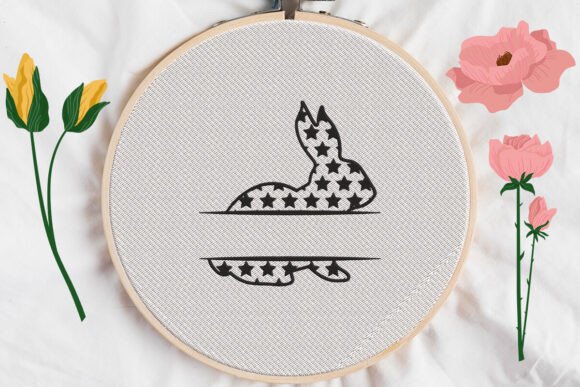
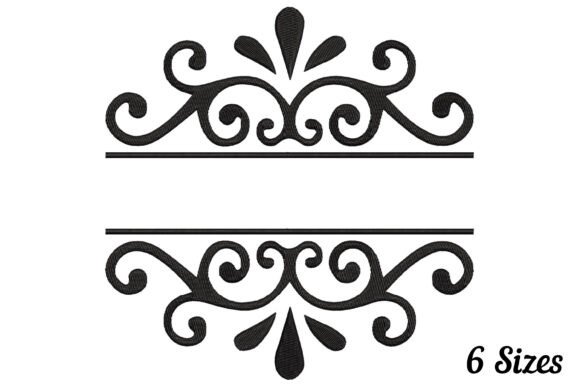
As an embroidery designer who’s curated over 200 craft fair booths in the past decade, my first thought when I see Handmade Name Frame is: “This is a customer magnet.” It reads as soft-elegant with quiet confidence—not overly ornate, not minimalist to the point of sterility. That “Hand Made by” split frame structure suggests authenticity, care, and intentionality—exactly what shoppers scan for at a bustling handmade market. It leans gently into farmhouse charm but holds enough clean line work to feel modern on a boutique tote or linen pillow cover. It’s not festive or whimsical; it’s grounded, personal, and proudly human.
Where Handmade Name Frame Shines On Craft Fair Products
This design doesn’t need flash—it earns attention through sincerity. On a tote bag design, placed just below the shoulder strap on the front panel, Handmade Name Frame becomes a subtle signature that invites conversation (“Who made this?” → “I did!”). As apron embroidery, centered above the pocket, it transforms functional wear into a branded artisan statement. For tea towel embroidery, it anchors the top third with balanced negative space—ideal for textured terry or waffle weave, where dense stitch areas won’t sink or blur.
It’s especially effective on small-format items: embroidered patches (stitched onto denim jackets or market bags), fabric pouches (front-center, 3–4" wide), and pillow covers (corner or lower-third placement). Unlike intricate monograms or script-heavy wedding monogram designs, Handmade Name Frame avoids visual competition with patterned fabrics—its open frame lets background texture breathe. And yes, it works beautifully as a commercial embroidery asset for Etsy sellers offering personalized kitchen bundles or custom gift sets.
What Makes It Sell—And What Requires Care
Customers notice Handmade Name Frame instantly because it answers two unspoken questions: “Is this truly handmade?” and “Can I trust the maker?” The phrase “Hand Made by” acts as both declaration and invitation—no explanation needed. That clarity makes it ideal for booth samples: one well-executed tea towel or apron with the design stitched cleanly says more than three price tags.
That said, practicality matters. This machine embroidery design performs best at 4–5" wide. Below 3", lettering may lose legibility—especially “by”—so avoid shrinking it for cap fronts or tiny patches unless you’ve tested thread density and stitch count. On curved surfaces like caps or rounded pouches, use a medium-cutaway stabilizer and reduce top tension slightly to prevent puckering. With dark fabric, choose high-contrast thread colors (ivory on charcoal, navy on cream) and always run a test on scrap—Handmade Name Frame relies on crisp edges to read as premium.
Texture is your friend—but also your check-in point. On thick canvas totes or looped terry towels, confirm the stitch density isn’t overloaded in the inner frame lines. Dense fills can flatten texture or cause skipped stitches. If your embroidery file includes optional outline-only versions, use them for highly textured substrates.
Photography, Listings, and Repeat Production
This design photographs exceptionally well for online listings. Its balanced proportions and intentional whitespace make it easy to style: flat-lay on marble, draped over a wooden crate, or held mid-air against natural light. No busy background needed—Handmade Name Frame carries its own visual weight. For Etsy sellers, pair it with a simple printable mockup showing three fabric options (linen, cotton duck, terry) and include a short caption: “Your name. Your pride. Stitched to last.”
Batch production? Yes—this is a strong small shop product. The layout is consistent, the hoop size is predictable (likely 5x7" or smaller), and there are no nested elements or color changes that slow down workflow. Just verify the hoop size and confirm whether the digital embroidery file includes PES, DST, and EXP formats before ordering. If it’s labeled Wedding Monogram, double-check if alternate layouts (e.g., couple initials or date integration) are included—or if it’s strictly single-name focused.
Designer Notes You Can’t Skip
- Test on scrap fabric first—especially if using textured towels, twill aprons, or dark denim.
- Check thread contrast under both daylight and booth lighting—what looks sharp in studio light may fade on a sunlit market table.
- Review spacing between “Hand Made” and “by”—tight kerning helps cohesion, but too-tight risks thread nesting.
- Confirm stabilizer match: lightweight cutaway for stable cottons; tear-away + topping for napped fabrics like terry.
- Create at least one real mockup—not digital. See how the frame interacts with seam allowances, hems, and fabric drape.
- Compare fabric colors side-by-side: ivory thread on oatmeal linen reads warmer than on bleached cotton—adjust tone accordingly.
- Verify commercial licensing before selling finished products. If this embroidery file is for personal use only, it cannot be used for craft fair product sales—even if it’s stitched on a handmade product.
Final Thought: A Signature That Sells Quietly But Surely
In a sea of glitter, florals, and oversized quotes, Handmade Name Frame stands out by saying less—and meaning more. It doesn’t shout “look at me”; it whispers “this was made with care, and I’m proud to put my name on it.” That resonance translates directly to higher perceived value, stronger booth cohesion, and deeper buyer engagement. Whether you’re stitching it on a market bag for your own Etsy launch or offering it as a customizable add-on for local boutiques, this machine embroidery design delivers professional polish without complexity. Just remember: clarity, contrast, and consistency are your anchors. Stitch it right once—and watch customers reach for the tag that says “Hand Made by…”